Essential Leatherworking Tools Every Craftsman Needs for Professional Results


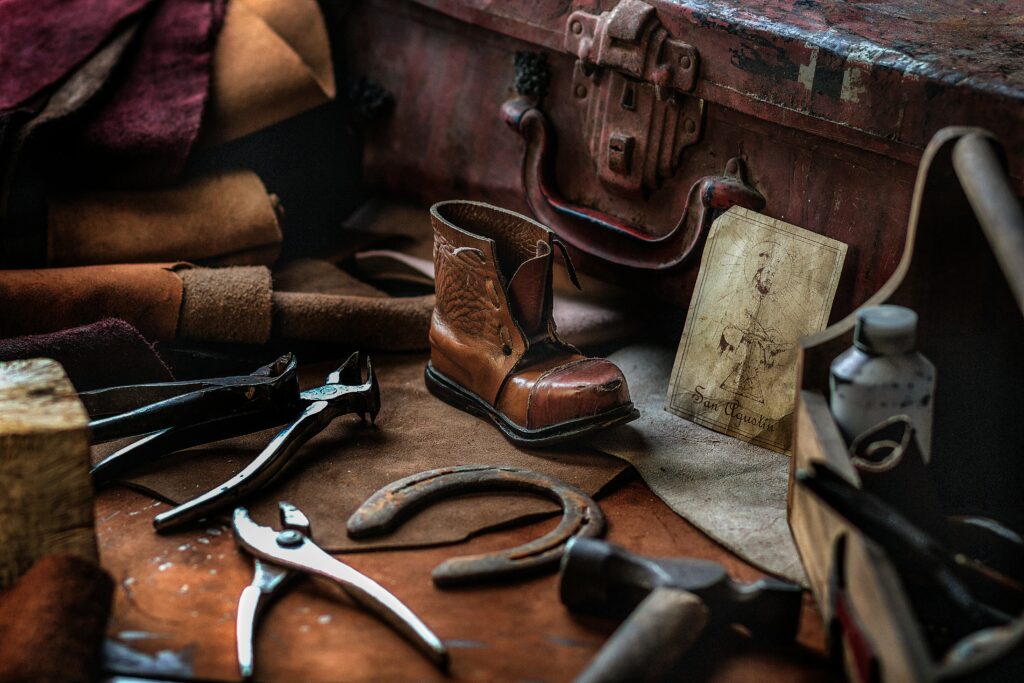
Leatherworking is a rewarding craft that blends creativity, precision, and durability. Whether you are creating wallets, belts, bags, or custom accessories, having the right tools can make a significant difference in the quality of your work. Beginners need reliable equipment to learn fundamental techniques, while experienced artisans require specialized tools to achieve professional-grade craftsmanship. Understanding the essential leatherworking tools helps build a strong foundation for any leather project.
Cutting Tools for Accurate Leather Shaping
Cutting tools are among the most important items in any leatherworking toolkit. A sharp utility knife, rotary cutter, or head knife allows artisans to make clean, precise cuts. Accurate cutting is essential because uneven edges can affect the overall appearance and fit of the final product. High-quality cutting tools also reduce material waste and improve efficiency during production.
Beginners often start with a utility knife due to its affordability and ease of use. Advanced leatherworkers may prefer specialized knives designed for intricate patterns and detailed work. Regardless of skill level, maintaining sharp blades is crucial for achieving smooth cuts and preventing damage to the leather.
Stitching Tools for Strong and Attractive Seams
Hand stitching remains one of the hallmarks of premium leather goods. Essential stitching tools include stitching chisels, pricking irons, needles, and waxed thread. These tools help create evenly spaced holes and secure seams that contribute to the strength and appearance of leather products.
Professional artisans often invest in high-quality stitching irons to ensure consistency across multiple projects. Beginners can start with basic stitching kits that include the necessary components for saddle stitching. Proper stitching tools not only improve durability but also add a handcrafted aesthetic that many customers value.
Edge Finishing Tools for a Polished Appearance
Finished edges can transform an ordinary leather item into a professional-quality piece. Edge bevelers, burnishers, and edge slickers are commonly used to smooth and refine leather edges. These tools remove rough corners and create a clean, rounded finish that enhances both appearance and comfort.
For advanced projects, artisans may use edge paints and specialized burnishing compounds to achieve a premium look. Consistent edge finishing demonstrates attention to detail and helps protect leather products from premature wear. Investing time in edge work often separates amateur creations from professional craftsmanship.
Hole Punching and Marking Tools
Creating accurate holes is essential for stitching, hardware installation, and decorative designs. Hole punches, awls, and marking wheels allow leatherworkers to position holes precisely and maintain symmetry throughout a project. These tools ensure that stitching lines remain straight and hardware fits securely.
Beginners often find adjustable hole-punch sets useful because they accommodate a range of project requirements. Experienced artisans may use diamond awls and specialized punches for greater control and customization. Precision in marking and hole placement contributes significantly to the overall quality of leather goods.
Leather Stamping and Decorative Tools
Decorative tools provide opportunities for personalization and artistic expression. Leather stamps, carving tools, and embossing equipment allow artisans to create patterns, logos, and intricate designs on leather surfaces. These embellishments can add value and uniqueness to handmade products.
Professional leatherworkers frequently use custom stamps for branding purposes. Beginners can experiment with basic stamping kits to learn decorative techniques without a large investment. Decorative tooling expands creative possibilities and helps artisans develop a distinctive style within the leathercraft industry.
Measuring and Layout Tools for Precision
Accurate measurements are essential in leatherworking, especially when producing items that require symmetry and proper fit. Rulers, squares, wing dividers, and measuring tapes help ensure that every cut and stitch line is placed correctly. Precise layouts minimize mistakes and improve consistency across projects.
Advanced artisans often rely on specialized measuring tools to streamline production and maintain professional standards. Beginners benefit from developing good measuring habits early, as careful planning reduces material waste and enhances project outcomes. Precision tools contribute to cleaner designs and more reliable craftsmanship.
Mallets and Work Surface Equipment
Many leatherworking tasks require controlled force for punching, stamping, and setting hardware. Rawhide, nylon, or poly mallets provide the necessary impact without damaging tools. A durable work surface, such as a cutting mat or granite slab, supports accurate work and protects equipment.
Professional workshops often feature dedicated workbenches designed specifically for leathercraft. Beginners can create an effective workspace with a few essential surface tools. A stable work environment improves accuracy, increases comfort, and extends the lifespan of leatherworking equipment.
Hardware Setting Tools for Functional Designs
Leather goods often include hardware such as rivets, snaps, buckles, and grommets. Setting tools ensure that these components are installed securely and professionally. Proper hardware installation enhances both the functionality and appearance of finished products.
As artisans gain experience, they may work with a wider range of hardware options that require specialized setters and presses. Beginners should focus on mastering basic installation techniques before expanding their toolkit. Reliable hardware setting tools help create durable products that withstand regular use.
Choosing the Right Leatherworking Tools
Selecting the best leatherworking tools depends on your skill level, project goals, and budget. Beginners should prioritize versatile, high-quality essentials that support learning and skill development. Purchasing durable tools from reputable manufacturers often provides better long-term value than choosing inexpensive alternatives.
Advanced artisans may gradually invest in specialized equipment tailored to their preferred techniques and product lines. Building a collection of reliable tools over time allows craftsmen to improve efficiency, expand creative possibilities, and maintain professional standards across all projects.
Professional leatherworking begins with the right tools. From cutting and stitching equipment to edge finishing and decorative tools, each item plays a critical role in producing durable and attractive leather goods. Beginners benefit from mastering fundamental tools, while advanced artisans can elevate their craftsmanship through specialized equipment. By investing in quality leatherworking tools and developing proper techniques, craftsmen can create exceptional products that showcase skill, precision, and lasting value.