Seeing Beyond the Postcard: How Travel Photography Changes Your View of a Destination


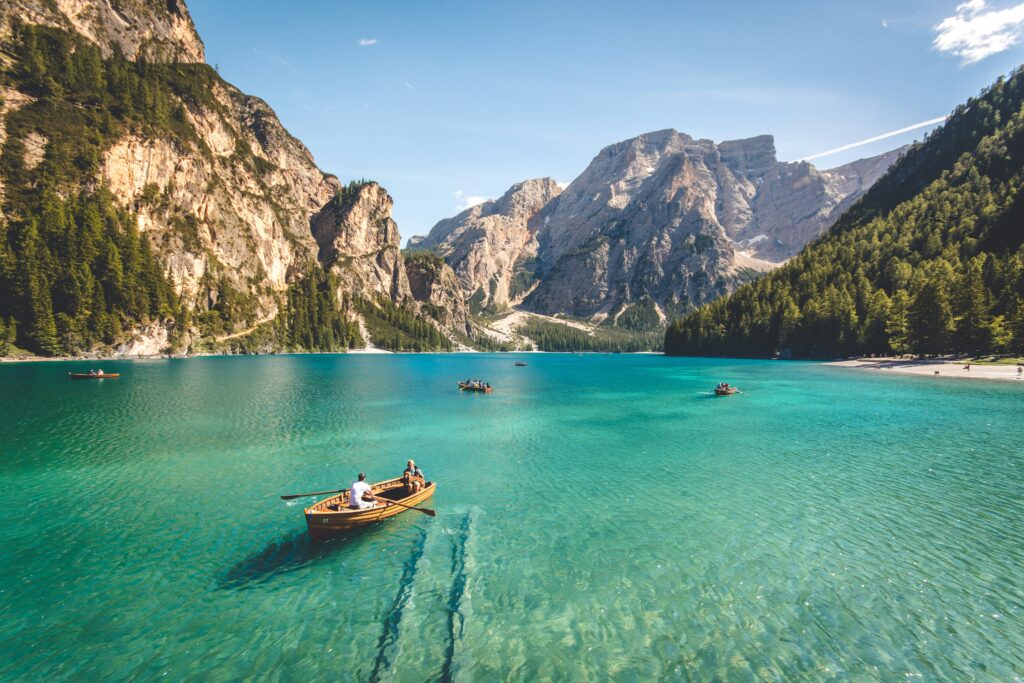
Travel photography does more than preserve memories. Instead, it can reshape how you understand a destination by encouraging you to slow down, observe, and notice details you might otherwise overlook. When you arrive somewhere new, you may initially focus on famous landmarks, busy streets, or scenic viewpoints. However, once you begin photographing your surroundings, you start paying attention to colors, expressions, textures, architecture, and everyday moments. As a result, photography can turn an ordinary trip into a deeper exploration of place and culture.
Photography Encourages You to Slow Down
Travel often moves quickly. You may have a packed itinerary, several attractions to visit, and only a limited amount of time in each location. However, taking photographs naturally encourages you to pause. Instead of simply walking past a market, for example, you might stop to study the way sunlight falls across the stalls or notice how vendors arrange their products. Consequently, you experience the destination more deliberately rather than rushing from one attraction to another.
Moreover, photography makes you look twice at familiar scenes. A narrow alley may seem unimportant at first, but then you might notice its colorful doors, unusual shadows, or lively conversations. Similarly, a crowded train station can become an interesting study of movement and human interaction. Therefore, the camera becomes more than a device for recording what you see; it becomes a reason to look more closely and remain present.
It Reveals the Beauty of Everyday Life
Travelers often associate beautiful destinations with iconic sights. Nevertheless, some of the most meaningful photographs come from ordinary moments. A baker preparing bread before sunrise, children playing in a neighborhood square, or an elderly couple sharing a conversation can reveal something about local life that a famous monument cannot. In this way, photography helps you move beyond the attractions listed in guidebooks and discover a place’s character through its people and routines.
Furthermore, photographing everyday life can challenge your assumptions. Before visiting a destination, you may imagine it through advertisements, social media posts, or popular travel images. Yet, once you photograph real streets and real communities, you encounter a more complex picture. You see both beauty and imperfection, excitement and quietness, tradition and change. Thus, photography can replace a simplified image of a destination with a richer and more realistic understanding.
A Camera Sharpens Your Attention to Culture
Photography can also deepen cultural awareness. For instance, while photographing a religious building, you may become curious about its architecture, symbols, or historical significance. Likewise, when you encounter a traditional festival, you may begin researching the meaning behind its clothing, music, food, and rituals. As a result, the act of taking pictures can lead you to ask questions that you might not have considered otherwise.
At the same time, responsible photography requires sensitivity. You cannot assume that every person wants to appear in a photograph, particularly in intimate, religious, or private situations. Therefore, asking permission when appropriate and respecting local customs can make photography a more respectful experience. Additionally, these practices encourage you to interact with residents rather than treating them simply as subjects. In the end, thoughtful photography can create opportunities for genuine human connection.
Different Perspectives Create Deeper Stories
Every photograph reflects a choice. You decide where to stand, what to include, what to exclude, and when to press the shutter. Consequently, photography teaches you that no destination has only one story. A busy city can look energetic in one image and peaceful in another, depending on the location, lighting, and moment you capture. By experimenting with different perspectives, you can discover several sides of the same place.
Moreover, changing your physical perspective can change your emotional response. Shooting from a low angle might make a historic building appear powerful, while photographing it from a nearby street can make it feel connected to everyday life. Similarly, stepping away from a major landmark can reveal the neighborhood surrounding it. Therefore, photography encourages you to explore beyond the obvious viewpoint and discover perspectives that feel more personal.
Photography Helps You Connect Memories With Emotions
Photographs preserve more than visual information. Instead, they can hold emotions, sounds, smells, and memories associated with a particular moment. When you later look at a picture of a quiet beach, a crowded café, or a mountain road, you may remember how the air felt or how excited you felt while standing there. Consequently, photographs can become powerful triggers for personal memories.
In addition, photography can help you understand what mattered most during your journey. After returning home, you may notice that your favorite images are not necessarily the most technically perfect ones. Perhaps a blurry photograph reminds you of an unexpected adventure, or a simple street scene brings back a memorable conversation. Thus, reviewing your photographs can reveal which experiences truly shaped your trip.
It Turns Travelers Into Active Observers
A tourist can pass through a destination without truly seeing it. By contrast, a photographer constantly observes. You begin watching changing light, listening to your surroundings, studying patterns, and anticipating interesting moments. Therefore, photography transforms travel from passive sightseeing into active discovery.
Ultimately, this habit can continue even when you put the camera away. Once you train yourself to notice small details, you may start appreciating them without needing to photograph them. A colorful storefront, a local tradition, or a quiet interaction may suddenly capture your attention simply because you have learned to look. In that sense, travel photography does not merely change the photographs you take; it changes the way you see the world.
The Destination Becomes More Than a Picture
Travel photography can transform your relationship with a destination because it encourages curiosity, patience, cultural awareness, and deeper observation. Rather than collecting images of famous places, you begin collecting stories and experiences. Moreover, you become more aware of the people, environments, and everyday details that give a destination its identity.
Finally, the greatest value of travel photography may not lie in creating perfect images. Instead, it lies in developing a more attentive way of experiencing unfamiliar places. When you slow down, explore different perspectives, respect local life, and search for meaning in ordinary scenes, you allow a destination to reveal itself gradually. As a result, you return home with more than a collection of photographs—you return with a new way of seeing.