Essential Leathercraft Workshop Tools Every Skilled Maker Should Own


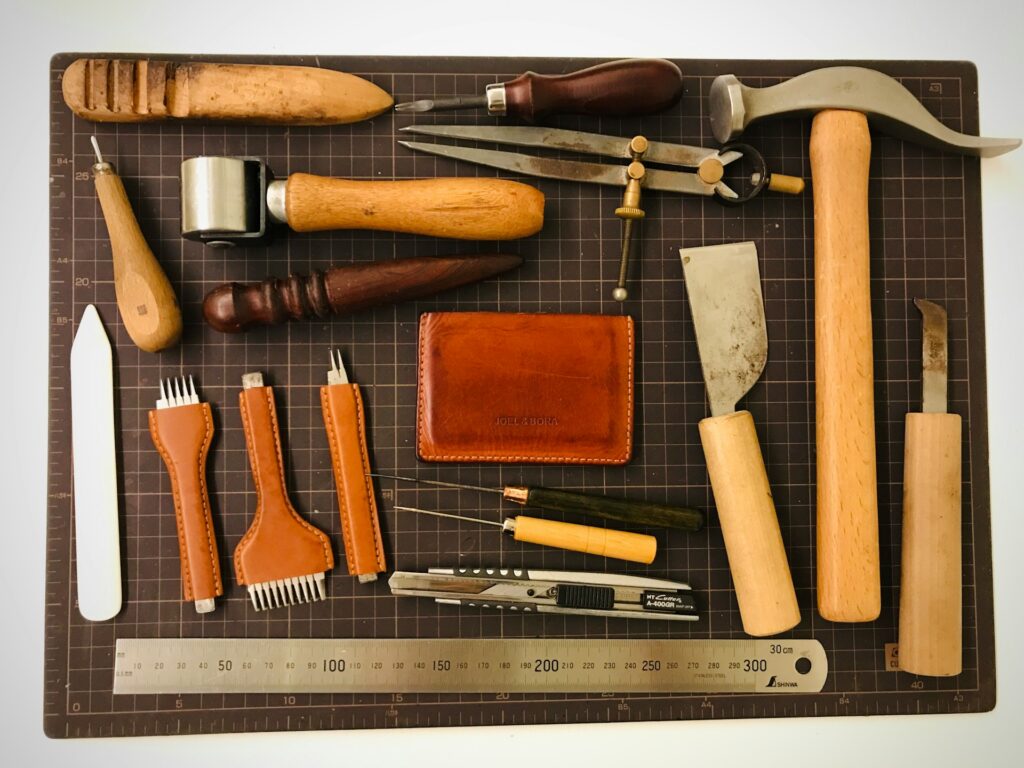
Creating high-quality leather goods requires more than talent and creativity. Every successful project begins with the right tools and a workspace designed for accuracy and efficiency. Whether someone enjoys leathercraft as a hobby or plans to build a professional business, investing in reliable equipment makes every step easier. Using leather crafting tools that match the task improves precision, reduces mistakes, and produces cleaner results. As skills develop, the right workshop setup also increases confidence, allowing crafters to create durable wallets, belts, bags, and other handmade products with greater consistency.
Starting With a Strong Work Surface
A dependable workbench forms the foundation of every leathercraft workshop. It should provide enough space to cut, stamp, stitch, and finish projects comfortably. Additionally, a sturdy table absorbs impact during tooling while keeping materials stable throughout the process.
A quality cutting mat also protects both the work surface and cutting blades. Because leather projects often involve repeated trimming and measuring, a self healing mat helps maintain clean cuts while extending the life of important tools. Therefore, investing in a reliable workspace supports better craftsmanship from the beginning.
Choosing Reliable Cutting Equipment
Clean cuts are essential for professional looking leather goods. Utility knives, craft knives, and rotary cutters each serve different purposes depending on the project. Consequently, leathercrafters should keep several sharp cutting tools available for various materials and thicknesses.
Replacing dull blades regularly is equally important. Sharp tools require less force, improve safety, and produce smoother edges. Furthermore, accurate rulers and straight edges help maintain precise measurements, ensuring that every piece fits together correctly during assembly.
Improving Accuracy With Measuring Tools
Even experienced leatherworkers rely on accurate measurements before making the first cut. Steel rulers, wing dividers, squares, and measuring tapes help create consistent layouts for every project. As a result, finished products appear balanced and professional.
Marking tools also play a valuable role during preparation. Scratch awls, silver pens, and removable markers allow crafters to create guide lines without damaging the leather. Therefore, careful planning reduces waste while improving overall efficiency throughout the workshop.
Making Stitching Strong and Consistent
Hand stitching remains one of the defining features of premium leather goods. Strong stitching not only improves appearance but also increases durability over time. In the middle of the stitching process, hand stitching supplies such as stitching chisels, diamond irons, harness needles, and waxed thread help produce evenly spaced seams with professional results.
A stitching pony or stitching clamp also makes the process easier by holding leather securely in place. Consequently, both hands remain free for accurate needle work, allowing crafters to maintain steady tension and cleaner stitching throughout each project.
Creating Smooth and Professional Edges
Well finished edges often separate beginner work from expert craftsmanship. After cutting and stitching, leather edges should be beveled, sanded, burnished, and polished to create a refined appearance. Because customers notice these details, proper edge finishing adds significant value to every item.
Edge bevelers remove sharp corners, while burnishing tools smooth rough surfaces through friction. Additionally, edge slickers and finishing compounds produce polished results that improve both appearance and durability. These simple tools help every project achieve a more professional finish.
Using Quality Punches and Hardware Tools
Leather projects frequently require holes for stitching, buckles, rivets, snaps, and decorative hardware. Hole punches, drive punches, and rotary punches create clean openings without damaging surrounding material. Therefore, selecting the correct punch size improves both function and appearance.
Setting tools also ensure that hardware remains secure after installation. Mallets, rivet setters, snap setters, and anvils help create firm connections while preventing unnecessary marks on the leather. Consequently, finished products maintain both strength and visual appeal during everyday use.
Keeping Materials Organized and Protected
A productive workshop depends on organization just as much as quality equipment. Leather hides, hardware, thread, dyes, and adhesives should each have dedicated storage areas. As a result, crafters spend less time searching for supplies and more time creating finished products.
Proper storage also protects expensive materials from moisture, sunlight, and dust. During daily work, workshop organization allows projects to move smoothly from one stage to the next while reducing clutter that could interrupt concentration or damage valuable tools.
Building a Workshop That Supports Long-Term Success
Every leathercrafter builds a workshop over time rather than purchasing every tool at once. Early investments should focus on dependable equipment that improves accuracy, safety, and consistency. As experience grows, precision leather equipment becomes even more valuable because advanced projects demand greater control and finer craftsmanship. Choosing quality tools instead of inexpensive replacements often saves both time and money in the long run.
A well-equipped workshop encourages creativity while making every project more enjoyable. Reliable tools reduce frustration, improve efficiency, and help crafters produce leather goods they can proudly share or sell. Consequently, thoughtful investments in essential workshop equipment create a strong foundation for lasting success in the rewarding world of leathercraft.