How Leather Weaving Machines Increase Productivity in Modern Leather Manufacturing


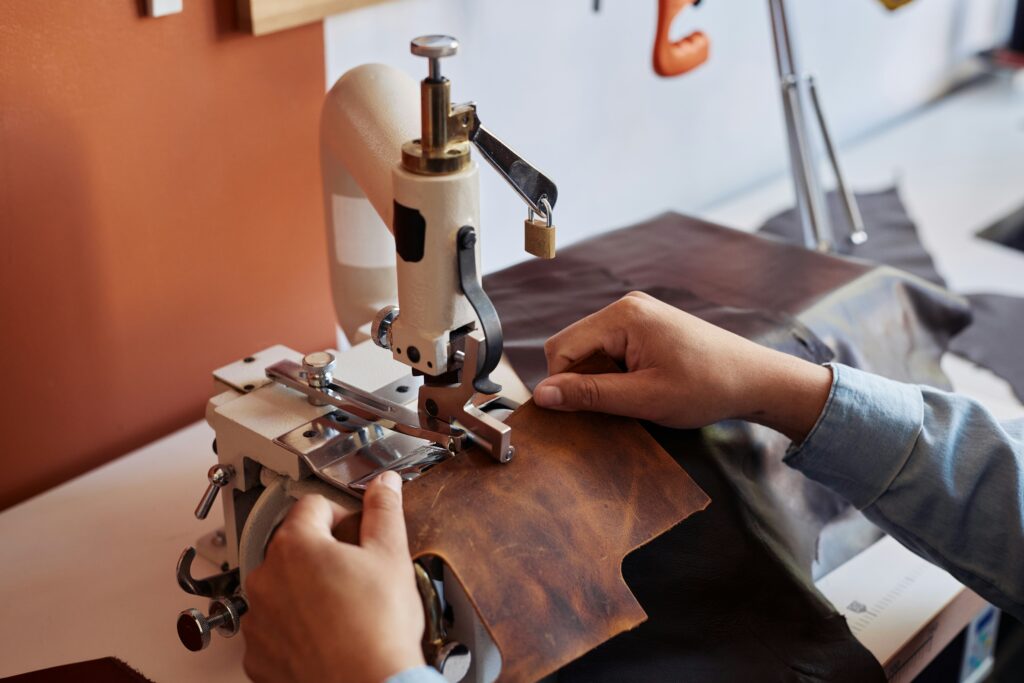
Leather manufacturing has evolved significantly over the years, with businesses constantly seeking ways to improve output while maintaining high product quality. One of the most valuable innovations in this industry is the leather weaving machine. These machines streamline complex weaving processes that once required extensive manual labor, helping manufacturers meet growing market demands more efficiently.
Traditional leather weaving often involved skilled workers spending hours handcrafting intricate patterns. While craftsmanship remains important, manual production can slow operations and increase labor costs. A leather weaving machine automates repetitive tasks, allowing companies to produce woven leather products faster and with greater consistency.
Faster Production Speeds for Large Orders
One of the biggest advantages of a leather weaving machine is its ability to accelerate production speed. Automated systems can weave leather strips continuously with minimal interruptions, reducing the time required to complete each product. This is especially valuable for manufacturers handling bulk orders or tight delivery schedules.
Higher production speed also allows companies to expand their operations without significantly increasing labor requirements. Instead of relying on multiple workers for repetitive weaving tasks, businesses can use machines to complete projects more efficiently. This improves workflow and helps manufacturers remain competitive in a fast-moving market.
Improved Accuracy and Consistency
Consistency is essential in leather production, particularly for luxury products such as handbags, belts, shoes, and furniture. Hand weaving may produce slight variations between items, especially during long production runs. A leather weaving machine minimizes these inconsistencies by following precisely programmed patterns.
Accurate weaving not only improves product appearance but also enhances durability. Uniform tension and alignment help create stronger woven leather structures that maintain their shape over time. Customers benefit from higher quality products, while manufacturers reduce the risk of defects and returns.
Reduced Material Waste
Leather is a valuable material, and minimizing waste is critical for profitability. Manual weaving can sometimes lead to uneven cuts, incorrect measurements, or damaged materials during handling. Leather weaving machines are designed to optimize material usage through precise control systems and automated feeding mechanisms.
By reducing errors and improving cutting accuracy, manufacturers can make better use of every piece of leather. Lower material waste translates into significant cost savings, especially for companies working with premium leather. Efficient material management also supports more sustainable production practices, which is increasingly important in today’s environmentally conscious market.
Lower Labor Costs and Better Workforce Efficiency
Labor-intensive manufacturing processes can increase operational costs and create production bottlenecks. A leather weaving machine reduces the need for constant manual involvement, allowing businesses to allocate workers to other important tasks such as quality control, design development, and finishing work.
Rather than replacing skilled employees entirely, automation helps workers focus on higher-value activities. This balance between technology and craftsmanship can improve overall productivity while maintaining the creative aspects of leather manufacturing. Companies can also reduce training time for repetitive weaving tasks since machines handle much of the technical precision.
Enhanced Design Flexibility
Modern leather weaving machines offer advanced programming features that support a wide variety of patterns and weaving styles. Manufacturers can quickly switch between designs without rebuilding entire production setups. This flexibility allows businesses to respond faster to changing fashion trends and customer preferences.
Custom designs can also be produced more efficiently with automated systems. Whether creating intricate woven textures for luxury accessories or unique patterns for automotive interiors, leather weaving machines help manufacturers deliver detailed results with consistent quality. This versatility opens new opportunities for product innovation and market expansion.
Improved Workplace Safety
Manual leather weaving can involve repetitive motions and extended periods of physical strain, which may lead to worker fatigue or injuries over time. Automated leather-weaving machines reduce the physical demands on employees by handling much of the repetitive work in production.
Safer working conditions can improve employee satisfaction and reduce workplace accidents. Manufacturers also benefit from fewer disruptions caused by injuries or fatigue-related issues. A safer production environment contributes to better operational stability and long-term business growth.
Better Scalability for Expanding Businesses
As demand for leather products increases, manufacturers need equipment that supports business growth. Leather weaving machines provide scalability by allowing companies to increase production volume without dramatically increasing labor or operational complexity. Automated systems can operate for extended hours while maintaining stable performance.
Scalable production capabilities are particularly valuable for businesses entering international markets or supplying large retail brands. Faster and more reliable production helps companies build stronger customer relationships and meet higher demand without compromising quality standards.
Integration With Modern Manufacturing Systems
Many modern leather weaving machines can integrate with digital manufacturing technologies and automated production lines. This integration improves workflow coordination and enables manufacturers to monitor production performance in real time. Data tracking features also help businesses identify inefficiencies and optimize machine performance.
Smart manufacturing solutions create a more connected production environment, streamlining processes from start to finish. By incorporating advanced weaving technology into their operations, leather manufacturers can improve productivity, reduce downtime, and maintain better control over product quality.
The Future of Leather Production Technology
The demand for efficient, high-quality leather products continues to grow across industries such as fashion, automotive, furniture, and accessories. Leather weaving machines are becoming an essential part of modern manufacturing because they offer speed, precision, and flexibility that traditional methods cannot easily match.
As technology continues to advance, these machines are expected to become even more sophisticated with improved automation, customization features, and energy efficiency. Businesses that invest in modern leather weaving equipment can strengthen their competitive position while delivering superior products to customers in a rapidly evolving market.