How to Plan and Execute More Ambitious Leather Pieces


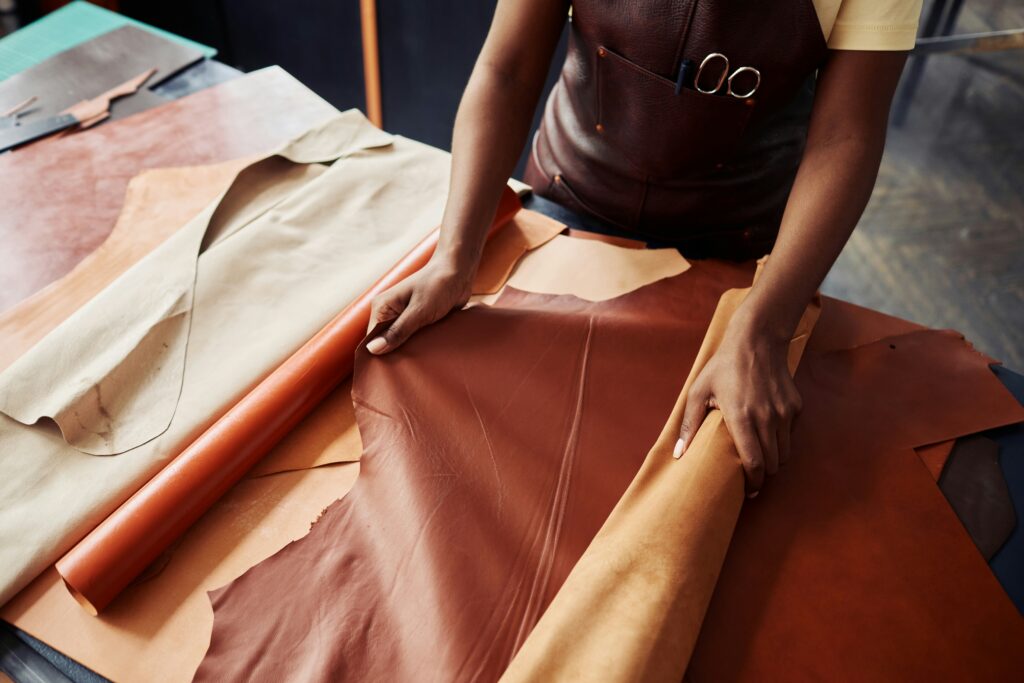
Leatherworking offers many ways to turn simple ideas into useful and beautiful items. As makers gain experience, they often want to create bags, cases, wallets, and other detailed products. However, larger projects need more than basic cutting and stitching skills. They require careful planning, smart material choices, and steady work. Learning to create ambitious leather pieces helps makers build skills and create lasting products. Moreover, a clear plan can reduce mistakes, save materials, and make each task easier. With the right approach, leatherworkers can turn complex designs into finished pieces that reflect their style, care, and growing skill.
Set Clear Goals Before Starting a Leather Project
Every successful leather project begins with a clear goal. Before choosing materials, think about what the finished item should do. For example, a leather travel bag needs strong handles, secure seams, and enough room for daily items. A detailed wallet may need several pockets and clean edges. So, understanding the purpose guides each design choice. It also prevents makers from adding features that do not serve a useful purpose. Clear goals make the entire process easier to manage.
Next, think about the size, shape, and style of the final product. Consider how people will use it and where the leather may face stress. Also, decide which features matter most. A strong design should balance appearance with daily use. As a result, makers can focus their time on details that improve the final product. This approach gives ambitious leather pieces a solid base before the cutting begins.
Break Complex Designs Into Simple Tasks
Large leather projects often seem difficult because they involve many parts. However, dividing the work into smaller tasks makes the process easier. Begin by identifying the main sections, such as panels, straps, pockets, and closures. Then, study how these parts will connect. This method helps makers understand the full design without feeling overwhelmed. It also helps them spot potential issues before working with expensive leather. A simple task plan can turn a hard design into a clear process.
Next, decide which parts need the most care. Some areas may need extra support, while others require neat stitching or careful folding. For example, a bag handle must hold weight without pulling away from the body. Therefore, its design deserves special attention. By handling each challenge in a clear order, makers can improve their accuracy. This approach also builds confidence as the project moves forward.
Choose the Right Leather and Materials
Material choice plays a major role in the success of advanced leather projects. Different leather types offer different levels of strength, softness, and flexibility. For example, firm vegetable-tanned leather often works well for items that need structure. Softer leather may suit flexible bags or small goods. However, the best choice depends on the design and how often it’s used. Makers should also check the grain, surface quality, and thickness before cutting. Good materials support both strength and visual appeal.
In addition, thread, lining, glue, and metal parts must match the project. Strong thread helps hold seams together, while quality hardware supports straps and closures. Likewise, a suitable lining can protect the inside of a bag or case. Choosing supplies early helps avoid delays during assembly. As a result, each part works well with the others. Careful material selection can also improve the life and finish of ambitious leather pieces.
Create Accurate Patterns and Test the Design
A reliable pattern helps turn a creative idea into a product. Before cutting leather, draw each part at its intended size. Mark the stitch lines, fold areas, holes, and edges that will join. Also, allow space for seams and material thickness. Good leather pattern design helps makers avoid uneven shapes and poor alignment. Furthermore, it makes the assembly process easier to follow. A clear pattern guides you throughout the project and supports more consistent results.
Next, test the design with paper, cardboard, or low-cost material. A sample can reveal problems with shape, size, or movement. For example, a pocket may look large enough on paper but feel too tight during use. Testing lets makers fix these issues before cutting the final leather. Therefore, this stage can save time and reduce waste. It also lets makers check how the finished item may look and function.
Prepare Tools and Organize the Workspace
A clean workspace helps makers stay focused during detailed leatherwork. Before you start, gather the tools you need for cutting, marking, punching, stitching, and finishing. Keep blades sharp and in good condition, and store them where they cannot cause harm. Also, use a stable cutting surface and bright lighting. These simple steps support better accuracy and safer work. Moreover, an organized space makes it easier to switch between tasks without losing important tools or small parts.
Tool practice also matters when working on challenging designs. For example, hand stitching leather requires steady spacing and even thread tension. Likewise, edge finishing requires care and patience. Makers should test unfamiliar tools on spare leather before using them on the main project. This lets them build skill without risking valuable materials. Good preparation supports smoother work and helps prevent mistakes that may be difficult to fix later.
Follow a Clear Order During Assembly
The assembly stage brings the design together. However, the order of each task can affect the final result. Some pockets, straps, or inner panels need stitching before the main sections join. Therefore, makers should review the pattern and plan the work sequence. Begin with parts that need easy access, then move toward the larger structure. This method reduces the chance of closing an area too early. It also helps keep seams clean and the shape balanced.
As the project develops, check each part’s fit before securing it. Align edges carefully and confirm that holes match across joined panels. When using glue, follow the product directions and allow enough time for a firm bond. Then, stitch with steady tension to keep the seams neat. In addition, test moving parts, such as straps and closures, during assembly. These checks help makers find small errors before they become larger problems.