Improvising with Confidence: How to Enjoy a Cigar When a Cutter Isn’t Around


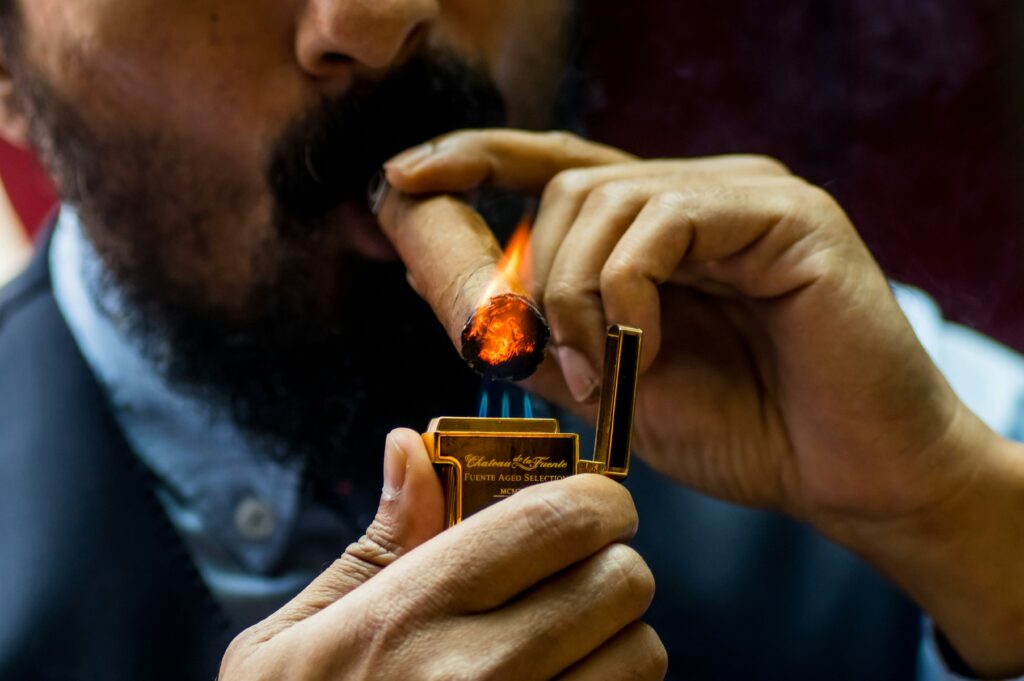
A cigar needs an opening to draw correctly. That opening allows air to flow and smoke to cool before it reaches the palate. When a cutter goes missing, the goal stays the same. You want a clean draw that protects the wrapper and preserves flavor. Therefore, patience matters more than tools. With a steady hand and awareness, you can prepare a cigar smartly and enjoyably.
Respecting the Cap and the Wrapper
The cap seals the cigar and holds the wrapper in place. If the wrapper is damaged, it can unravel, ruining the experience. Consequently, any improvised approach should respect that seal. Focus on creating a small opening rather than aggressively removing material. This mindset reduces risk and keeps the cigar intact from first light to the final inch.
Using Your Fingertips with Care
Sometimes your hands provide all you need. By gently pinching and twisting the very tip of the cap, you can loosen a small plug. This motion should feel controlled and slow. As the fibers give way, lightly test the draw. If air moves, you can stop. This approach works best on softer caps and avoids tearing when done patiently.
Creating a Small Opening with Pressure
Pressure can replace sharpness when applied thoughtfully. By pressing the cap against a firm edge, you can compress and slightly open the tip. The key involves moderation. Excessive force crushes the head and restricts airflow. Therefore, apply steady pressure and rotate the cigar as you work. This technique creates a subtle opening that often draws surprisingly well.
The Gentle Tear Method
When the cap feels thin, a careful tear can suffice. Use your fingernail to lift just the edge of the cap. Pull slowly and stop early. The goal is to create a slit rather than remove the cap entirely. As a result, the wrapper stays secure while the draw opens enough to smoke comfortably.
Using a Match to Shape the Opening
Heat can help without becoming destructive. Light a wooden match and let it burn down slightly. Touch the flame briefly to the tip of the cap. The heat firms the tobacco and defines the edge. Then, apply gentle pressure with your fingers to form a small opening. This method requires restraint, yet it often produces a clean and stable draw.
Testing the Draw Before Lighting
Before you light the cigar fully, test the airflow. Take a gentle pull and assess resistance. A good draw feels open yet controlled. If it feels tight, adjust slightly using the same method you chose. This step saves frustration later and ensures an even burn once you light up.
Lighting with Extra Attention
When you improvise the opening, lighting becomes more important. Toast the foot evenly and rotate the cigar as you apply flame. Draw gently and allow the ember to form gradually. Rushing here can cause tunneling or uneven burn. Therefore, slow lighting yields a smoother start and better flavor development.
Managing the Draw During the Smoke
As the cigar warms, the draw can change. Pay attention and adjust your pace. Slow, steady puffs keep the cigar cool and prevent bitterness. If the draw tightens slightly, roll the cigar gently between your fingers. This motion loosens compacted tobacco and restores airflow without damaging it.
Avoiding Common Mistakes
Improvisation invites overcorrection. Many smokers open too much of the cap and invite unraveling. Others rush and tear the wrapper. Instead, remember that small openings often work best. The cigar will open naturally as it warms. Therefore, start conservatively and let the smoke guide you.
Preserving Flavor and Balance
A clean opening protects flavor balance. When the draw feels right, smoke stays cool and nuanced. Improvised methods can achieve this balance when handled with care. Focus on control rather than force. This approach honors the blend and the cigar’s craftsmanship.
Confidence Comes from Patience
Smoking without a cutter can feel intimidating at first. However, confidence grows with calm execution. Each step rewards patience and awareness. As you slow down, you gain control over the experience. That control often leads to a more mindful and satisfying smoke.
Enjoying the Moment Without Perfection
Cigars celebrate ritual, not perfection. When tools go missing, adaptability becomes part of the enjoyment. Improvising connects you more closely to the cigar itself. You pay attention, slow your pace, and stay present. As a result, the experience often feels richer.
When to Stop Adjusting
Once the cigar draws comfortably, stop manipulating it. Excess handling can damage the wrapper and disrupt the burn. Trust the opening you created and let the cigar do its work. Gentle puffs and a steady rhythm will carry you through the rest of the smoke.
Smoking a cigar without a cutter does not require luck. It involves respecting the cigar and exercising restraint in your approach. By focusing on minor adjustments and careful handling, you protect structure and flavor. The smart way to smoke involves awareness, patience, and confidence. When those guide you, even missing tools cannot diminish the pleasure of a well-made cigar.