The Invisible Science Making Everyday Technology Possible


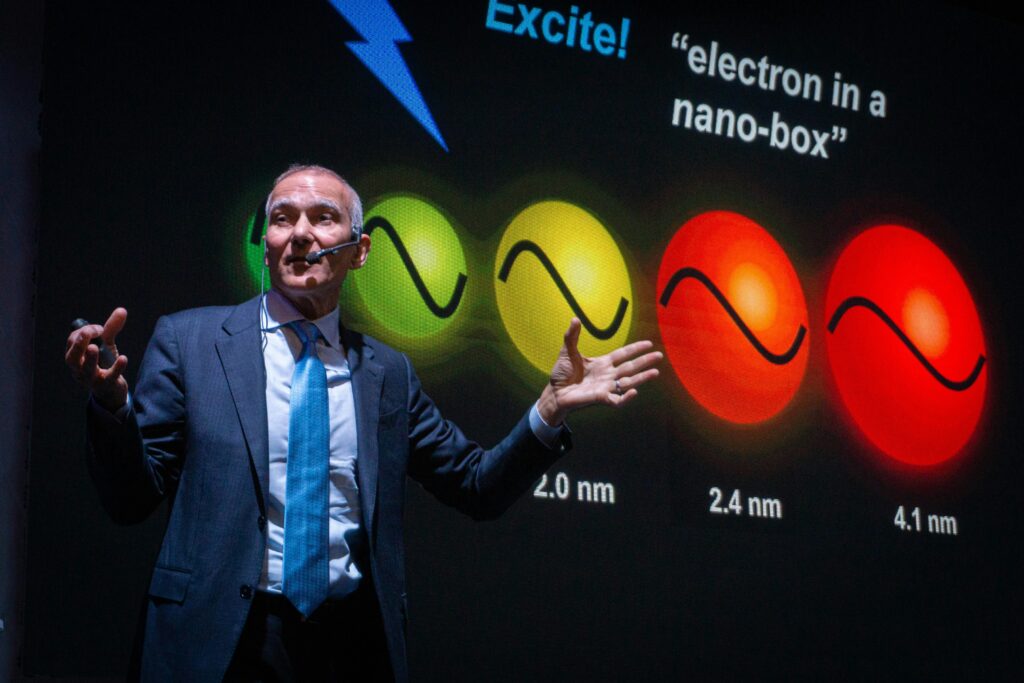
Electricity powers nearly every device you use, and its behavior follows well-established scientific principles. When you plug in a device or charge your phone, electrons move through circuits, creating the energy needed to operate it. These circuits are carefully designed pathways that control how electricity flows, ensuring that each component receives the right amount of power. As a result, even the simplest gadget depends on precise electrical engineering to function reliably.
Moreover, modern devices include advanced circuit designs that improve efficiency and safety. Engineers use resistors, capacitors, and transistors to regulate voltage and manage electrical signals. These components work together to prevent overheating and ensure consistent performance. In addition, innovations in microcircuitry have made it possible to fit powerful systems into compact devices. Therefore, every time you use an electronic device, you are benefiting from the science of electricity and circuit design.
Data Storage and Memory Systems
Every photo, message, and file you save relies on sophisticated data storage systems. These systems convert information into binary code, which uses combinations of zeros and ones to represent digital data. Solid-state drives and cloud storage solutions allow users to store vast amounts of information securely and access it quickly. Consequently, data storage technology has transformed how people manage and share information in their daily lives.
At the same time, memory systems are designed for speed and reliability. Random access memory, or RAM, temporarily stores data that devices need to access quickly, while long-term storage keeps information stored for future use. Engineers continuously improve storage capacity and durability, ensuring that devices can handle increasing amounts of data. Therefore, the science behind data storage plays a crucial role in keeping your digital world organized and efficient.
Optics and Display Technology
Screens are one of the most visible parts of modern technology, yet their operation depends on the science of optics. Displays use light and color to create images, relying on pixels that change intensity and hue to form visuals. Technologies like LED and OLED screens enhance brightness, contrast, and energy efficiency. As a result, users enjoy clear and vibrant displays on smartphones, televisions, and computers.
Furthermore, advancements in display technology have improved user experiences significantly. Higher resolution screens provide sharper images, while faster refresh rates make motion appear smoother. In addition, touch-sensitive displays combine optics with electrical sensing, allowing users to interact directly with what they see. Therefore, the science of light and vision continues to shape how we experience digital content.
Sound Technology and Acoustics
Sound technology transforms electrical signals into the audio you hear every day. Speakers and headphones rely on vibrations to produce sound waves that travel through the air. When an electrical signal passes through a speaker, it moves a diaphragm that creates these vibrations. Consequently, music, calls, and alerts all depend on the principles of acoustics and wave behavior.
In addition, modern sound systems use advanced processing techniques to improve quality and clarity. Noise-canceling technology, for example, reduces unwanted background sounds by generating opposing sound waves. Meanwhile, digital audio processing enhances bass, treble, and overall balance. As a result, users experience richer and more immersive audio. Therefore, the science of sound plays a vital role in everyday technology.
Security Systems and Digital Protection
As technology becomes more integrated into daily life, security systems have become increasingly important. Digital protection relies on encryption, authentication, and monitoring to safeguard information. Encryption converts data into secure codes, making it unreadable without the proper key. Consequently, personal and financial information remains protected from unauthorized access.
Moreover, authentication methods such as biometrics add an extra layer of security. Fingerprint scanners and facial recognition systems use unique biological traits to verify identity. In addition, cybersecurity systems continuously monitor networks for potential threats, preventing breaches before they occur. Therefore, the science of digital security ensures that technology remains safe and trustworthy.
Navigation and GPS Technology
Navigation technology has revolutionized how people travel and explore the world. Global Positioning System, or GPS, uses satellites orbiting the Earth to determine precise locations. These satellites send signals to devices, which calculate position based on the time it takes for the signals to arrive. As a result, users can access accurate directions and real-time location data wherever they go.
At the same time, navigation systems integrate mapping software and data analysis to provide efficient routes. Traffic updates, route optimization, and real-time tracking all depend on continuous data processing. In addition, advancements in navigation technology support industries such as transportation and logistics. Therefore, the science behind GPS has become an essential part of modern life.
The Integration of Smart Technology
Smart technology brings together multiple scientific disciplines to create connected systems. Devices such as smart thermostats, lighting systems, and home assistants communicate with each other through networks. This integration allows users to control their environment with ease and efficiency. Consequently, smart technology enhances convenience and improves energy management.
Furthermore, the Internet of Things connects everyday objects, enabling them to share data and respond intelligently. Sensors, software, and connectivity work together to create systems that adapt to user behavior. In addition, smart technology continues to evolve with advancements in artificial intelligence and machine learning. Therefore, the integration of smart systems represents a significant step forward in technological innovation.
The Path Forward for Everyday Technology
The future of everyday technology will continue to be shaped by scientific progress and innovation. Researchers are exploring new ways to improve efficiency, performance, and sustainability. Breakthroughs in fields such as renewable energy, advanced computing, and materials science promise to transform how devices are designed and used. As a result, technology will become even more powerful and accessible.
In addition, ethical considerations and environmental responsibility will play a growing role in technological development. Engineers and scientists are focusing on creating solutions that benefit society while minimizing harm to the planet. Therefore, the science behind everyday technology will not only drive innovation but also support a more sustainable and connected future.